Perfume rarely changes from perfect to unusable on one exact day. It usually ages gradually. The opening may lose brightness, the balance between notes may shift, the liquid may darken, or the fragrance may no longer smell the way it did when new. This guide explains what labels mean, which storage conditions matter and how to evaluate a bottle without relying on unsupported online date calculators.
What does expired perfume actually mean?
The U.S. Food and Drug Administration defines cosmetic shelf life as the period during which a product can be expected to look and act as intended and remain safe for use. The FDA also explains that shelf life varies with the product, the way it is used and the way it is stored. Temperature changes, sunlight and air can alter a cosmetic’s color, texture or odor.
Fragrance composition matters, but shoppers normally do not have access to a manufacturer’s full stability testing. The bottle, carton and brand instructions are therefore better guides than a date calculated by an unofficial batch-code website. A generic promise that every perfume lasts exactly three years is too simple.
Why many U.S. perfumes do not show an expiration date
In the United States, cosmetics are not generally required to carry an expiration date. The FDA says manufacturers are responsible for determining shelf life as part of their responsibility for product safety. A missing date does not prove that a bottle is defective, new, old or counterfeit.
Imported packaging may show a small open-jar icon followed by a number and the letter M, such as 24M or 36M. This period-after-opening, or PAO, symbol identifies the period during which the product can be used after opening under normal conditions. It is not the manufacturing date and does not reveal how long an unopened bottle sat in storage.
When a fragrance has a printed date, PAO symbol or specific storage direction, follow it. If the information is unclear, ask the manufacturer or retailer rather than guessing from appearance alone.
Opened versus unopened fragrance
An unopened bottle is protected by its original closure and packaging, so it generally has less exposure to air, light and handling. A properly stored unopened fragrance can retain its intended character for years, but no retailer should promise a universal lifespan without product-specific evidence.
Once a bottle is opened and sprayed, storage history becomes more important. That does not mean the fragrance suddenly starts a precise countdown. A well-made atomizer limits direct contact with the liquid, and many opened fragrances continue to smell as intended for a long time.
Write the opening month and year on the bottom of the carton or in a fragrance note on your phone. The FDA specifically suggests marking when a cosmetic was opened as a practical way to track its age.
The four conditions that matter most
Direct light is one of the easiest risks to avoid. A clear bottle on a sunny windowsill may look attractive, but it receives repeated light and heat. CHANEL and Diptyque advise keeping fragrance away from direct light. A closed cabinet, drawer or original box provides a more stable environment.
A fragrance does not need laboratory refrigeration, but it benefits from a moderate, consistent room temperature. Avoid hot cars, radiators, heating vents, sunny shelves and storage beside warm appliances. Consistency matters more than chasing the coldest possible location.
Keep the cap or closure in place and make sure a removable stopper is seated correctly. Do not transfer a full bottle into an unknown decorative container simply for display. If you use a travel atomizer, choose a clean, compatible container and fill only the amount you expect to use.
Perfume should be kept dry and clean. Avoid splashes, wet hands and steamy temperature changes. Keep the atomizer clean and do not attempt to dilute, refill or refresh a fragrance with water or alcohol.
- Keep it away from direct light
- Avoid heat and temperature swings
- Close the bottle securely
- Protect it from moisture and contamination
Where is the best place to store perfume?
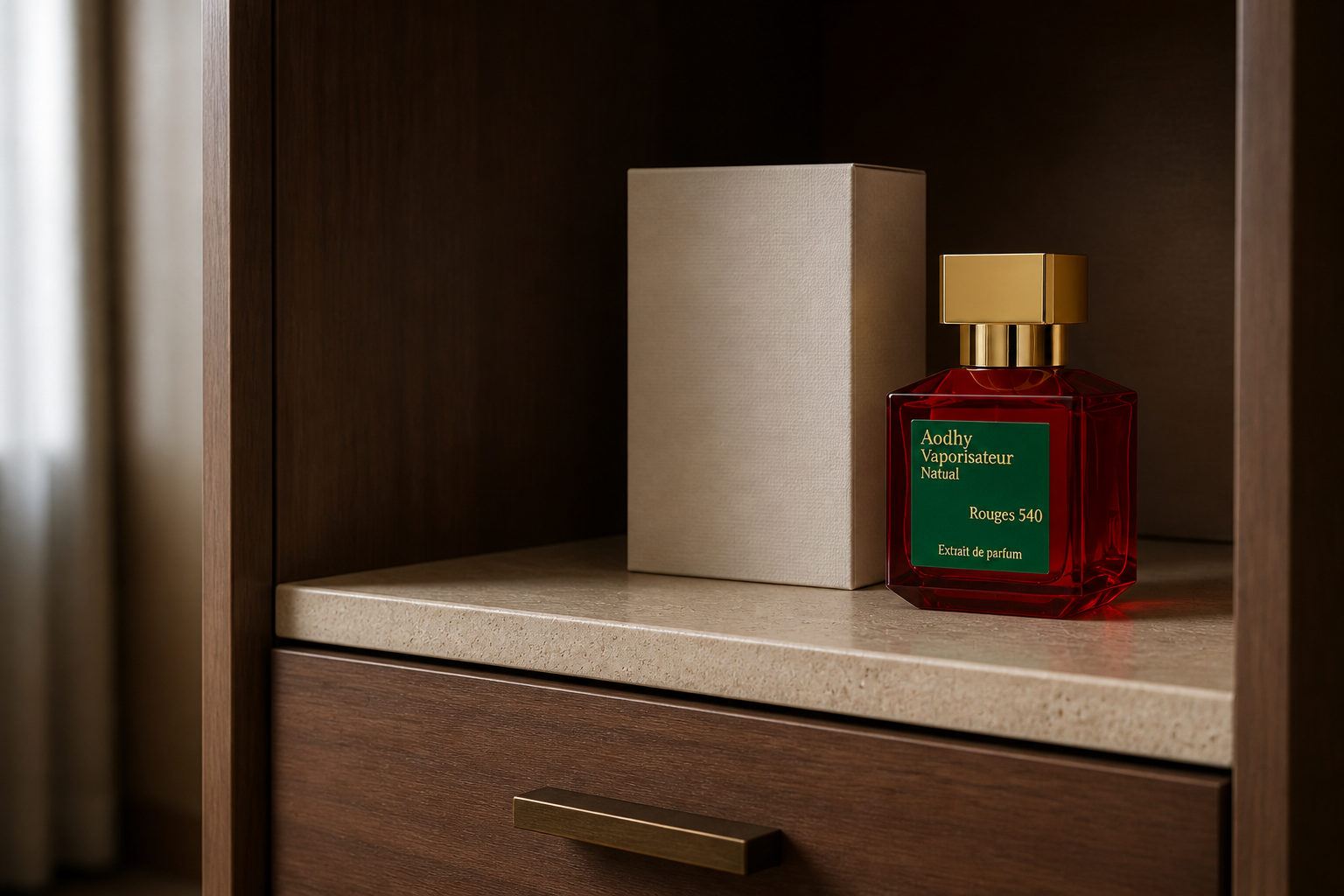
For most homes, the best location is a bedroom drawer, a closed closet shelf or a cabinet away from windows and heat sources. Keep the bottle upright, especially if it has a removable stopper or you are unsure about the seal. The original carton adds light protection and retains the product name, size and label information.
If you display bottles, use a shelf that receives no direct sunlight and does not become warm during the day. Rotate only the fragrances you are currently wearing, while keeping the rest protected.
- Store bottles upright in their cartons or a shaded tray
- Choose an interior location away from sunny glass
- Separate everyday bottles from unopened backups
- Record the opening date and retain the order record
- Check travel atomizers for leaks before storing them with clothing
Bathroom, refrigerator and travel questions
The bathroom is convenient but usually not ideal. Showers create warmth, moisture and repeated temperature swings. Even when the liquid is protected by a spray mechanism, the bottle, label, carton and closure experience a less stable environment. A bedroom drawer is normally the simpler choice.
Routine household refrigeration is generally unnecessary unless the manufacturer specifically instructs it. A kitchen refrigerator can introduce cold-to-room-temperature cycling, condensation and food odors, and bottles can be knocked over. A stable, dark indoor cabinet is safer and easier for most modern fragrances.
Do not leave fragrance in a parked car, checked bag exposed to prolonged heat or direct sun at the beach. Carry a small travel atomizer for short trips and keep the full bottle at home. Before flying, check current airline and security limits for liquids rather than relying on an old travel rule.
How can you tell if perfume has changed?
Start with the product’s own baseline. If you remember how the fragrance smelled and looked when new, changes are easier to notice. Check the bottle in neutral light and spray once onto a paper blotter or clean tissue before applying an uncertain older fragrance to skin.
Some fragrances naturally deepen in color, and packaging can change between production runs, so color alone is not a verdict. Compare several signals and consult the manufacturer when possible. If the product smells wrong, contains foreign material or causes an unexpected reaction, stop using it. The FDA advises consumers to stop using a cosmetic and report unexpected reactions or product problems.
Never spray questionable perfume repeatedly to clear it. Do not add water, alcohol or essential oil. Altering the formula makes the bottle harder to evaluate and may introduce new problems.
- A distinctly sour, harsh or unfamiliar odor
- An opening that no longer resembles the original fragrance
- Unexpected and significant color change
- Cloudiness, separation, particles or foreign material
- Leakage, a damaged atomizer or a closure that no longer seals
Choose a bottle size that fits how you wear fragrance
Storage begins at purchase. A large bottle may offer a lower cost per ounce, but it is not automatically better value if you rotate many fragrances and use only a few sprays each month. A smaller bottle can be smarter when trying a new scent family, buying for travel or building a varied wardrobe.
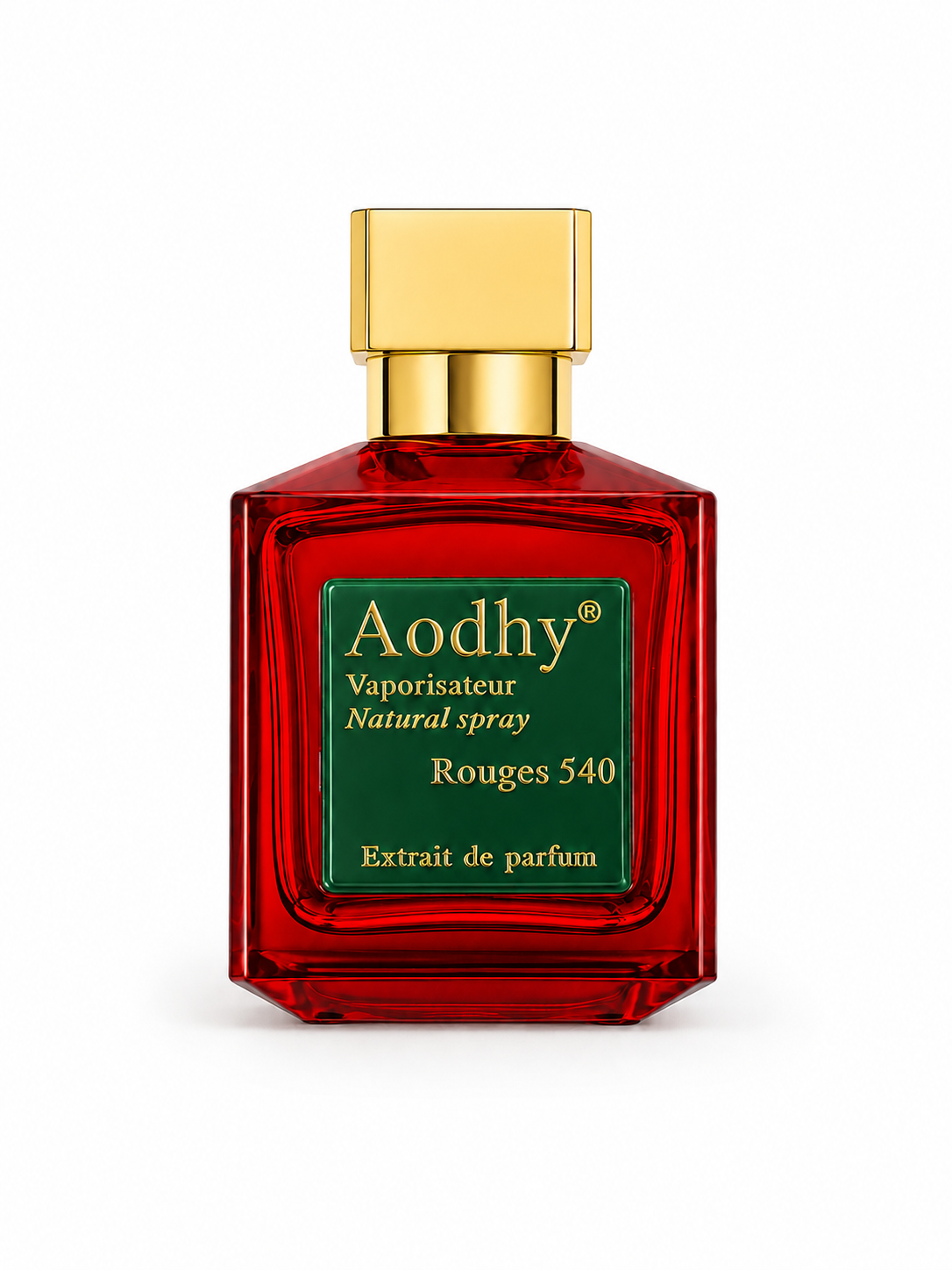
Before ordering from the AODHY fragrance collection, compare the exact name, concentration, size, price and live availability. The Ruby 540 Unisex Perfume Spray listing identifies its selected format and size so you can decide whether it fits your expected use.
If you are choosing by scent direction, read the AODHY guide to fragrance notes first. Understanding the opening, heart and base helps you choose a bottle you will actually wear rather than one that remains unused in storage.
A practical fragrance-storage checklist
Use this checklist when a new bottle arrives. It helps preserve the product record as well as the fragrance itself. If an AODHY item, package or condition differs materially from the order record, use the contact and policy links below rather than modifying the product.
- Confirm the product name, size and concentration
- Inspect the bottle, atomizer, cap and carton
- Read date, PAO and storage directions
- Write down the opening month and year
- Keep the bottle upright, closed and away from direct light
- Avoid hot cars, bathrooms, windowsills and heating vents
- Use a clean travel atomizer for daily carrying
- Recheck unusual changes in smell, clarity or color
- Contact support if the delivered item differs from its listing