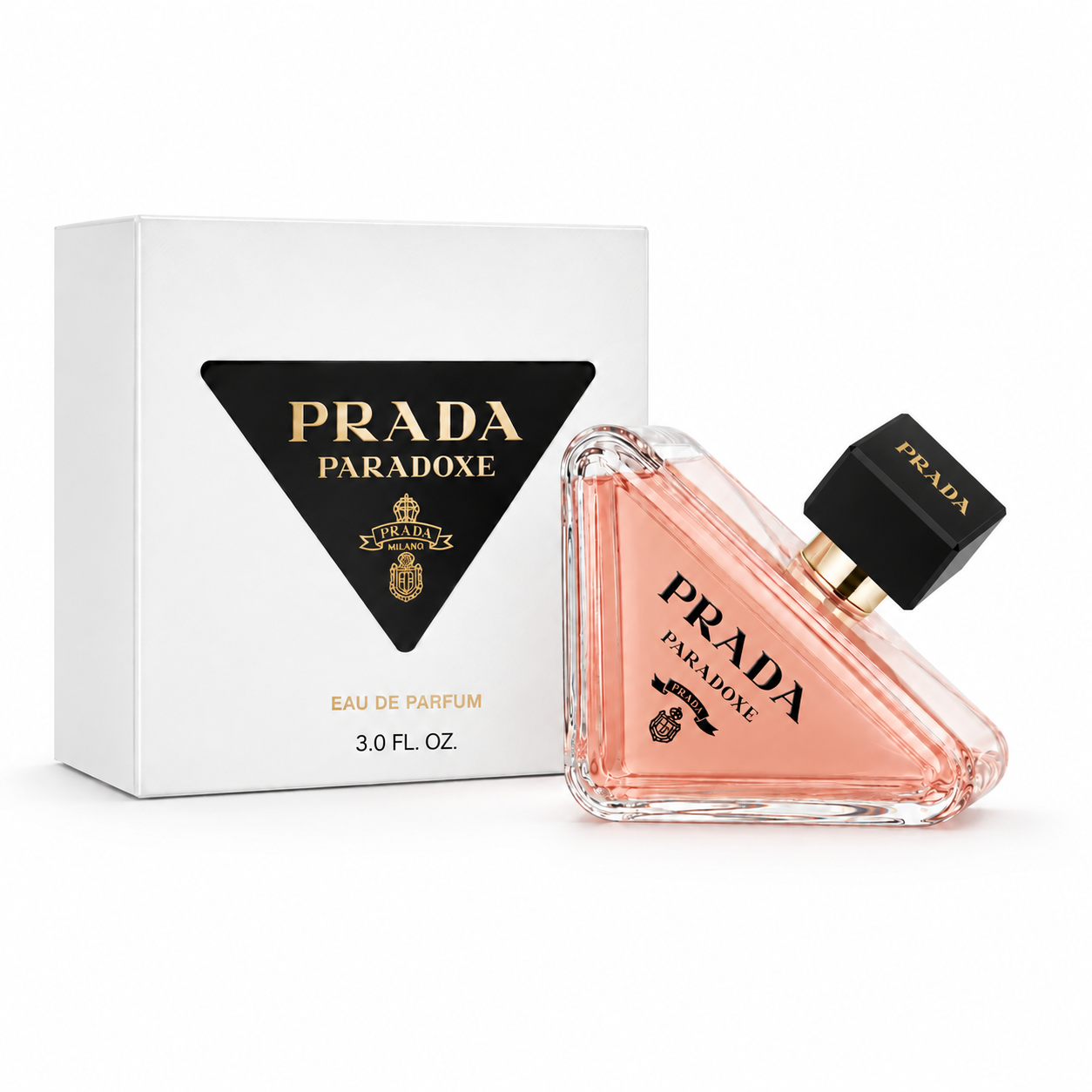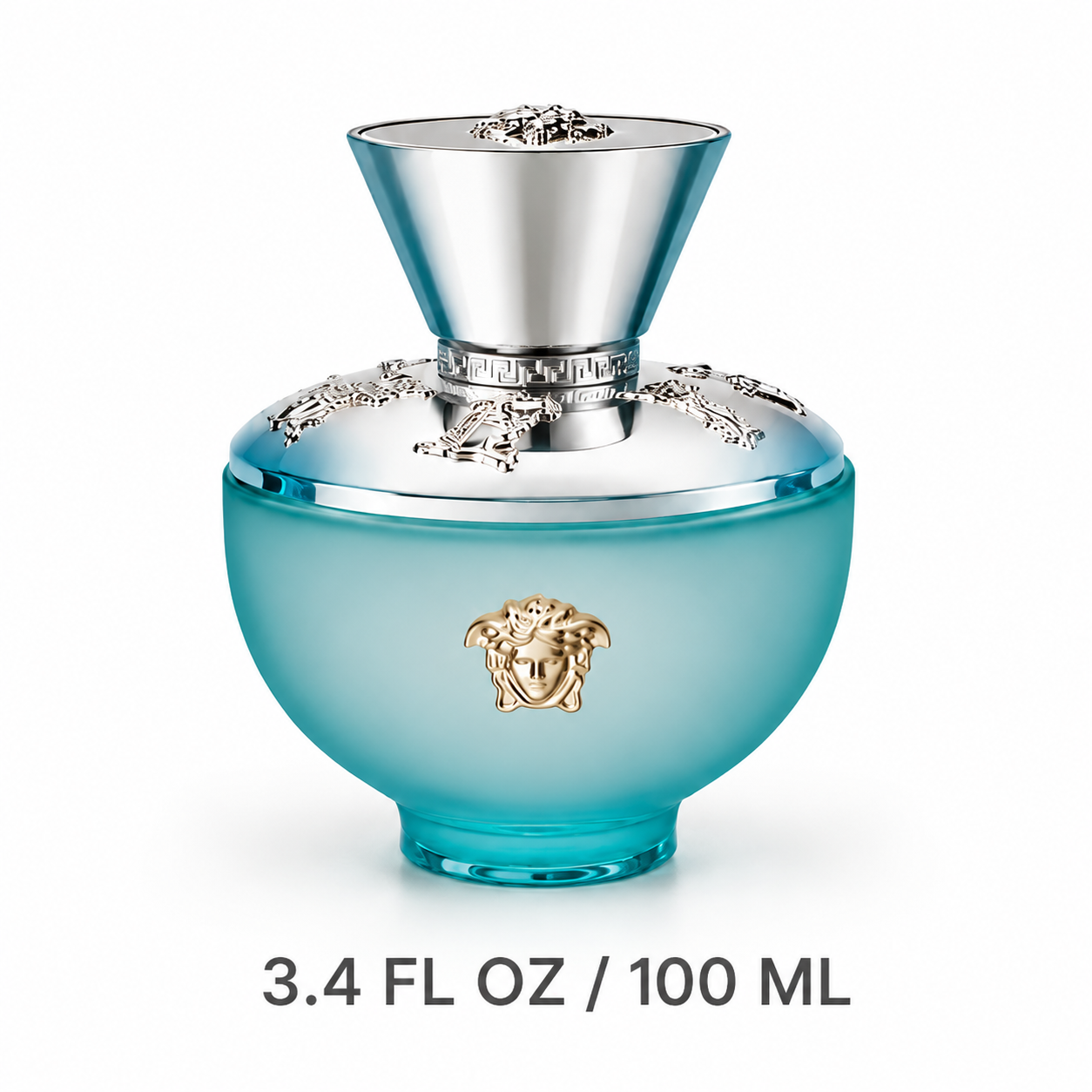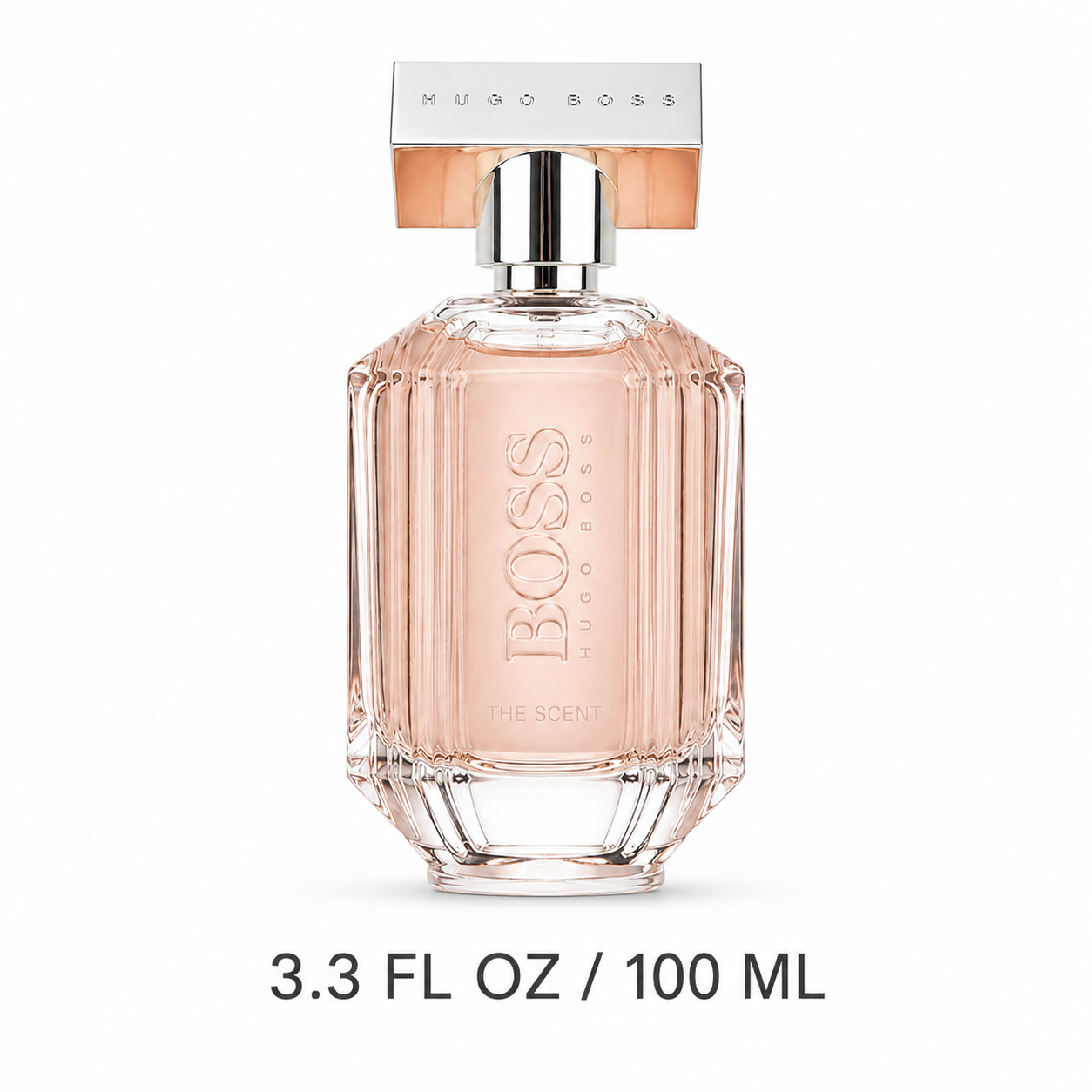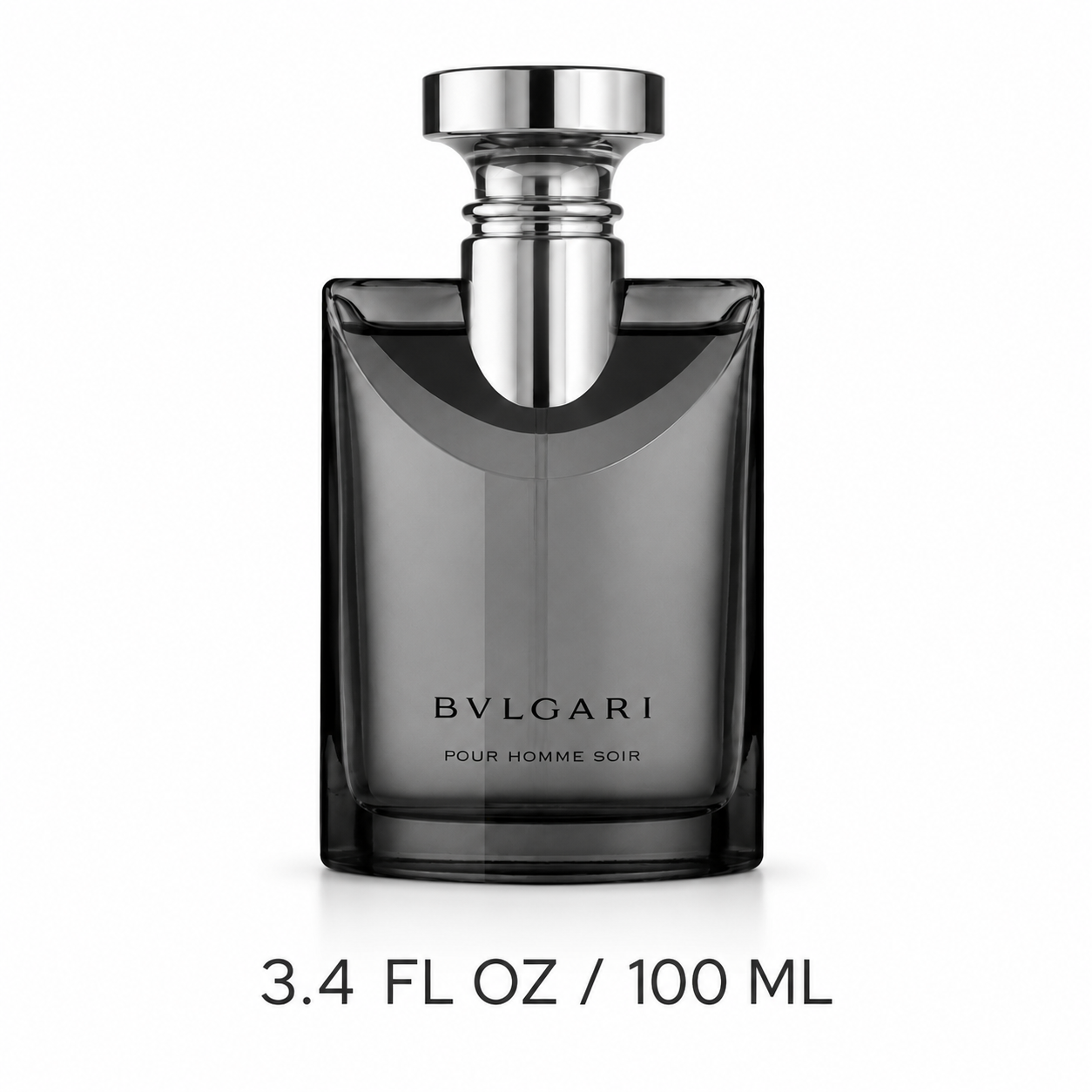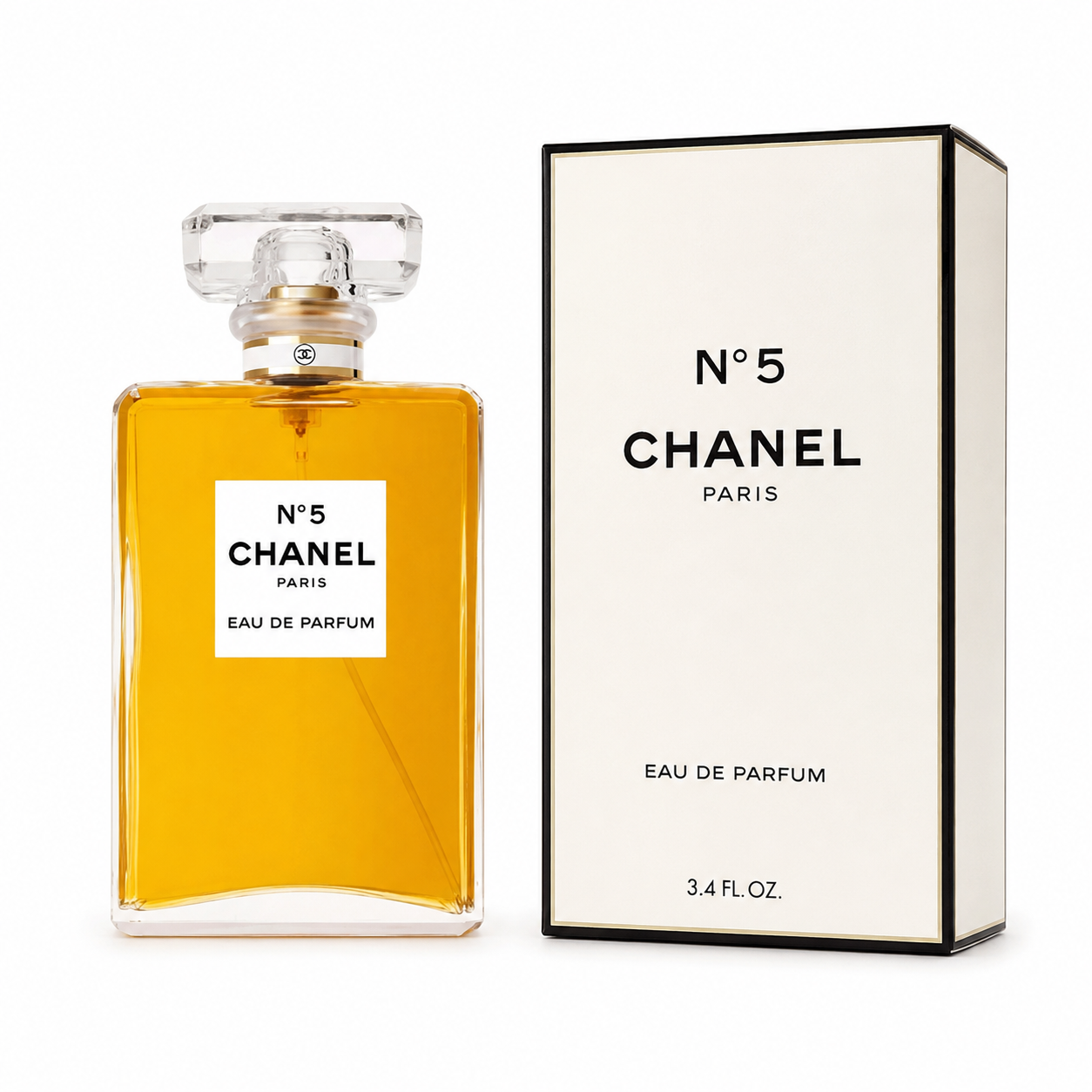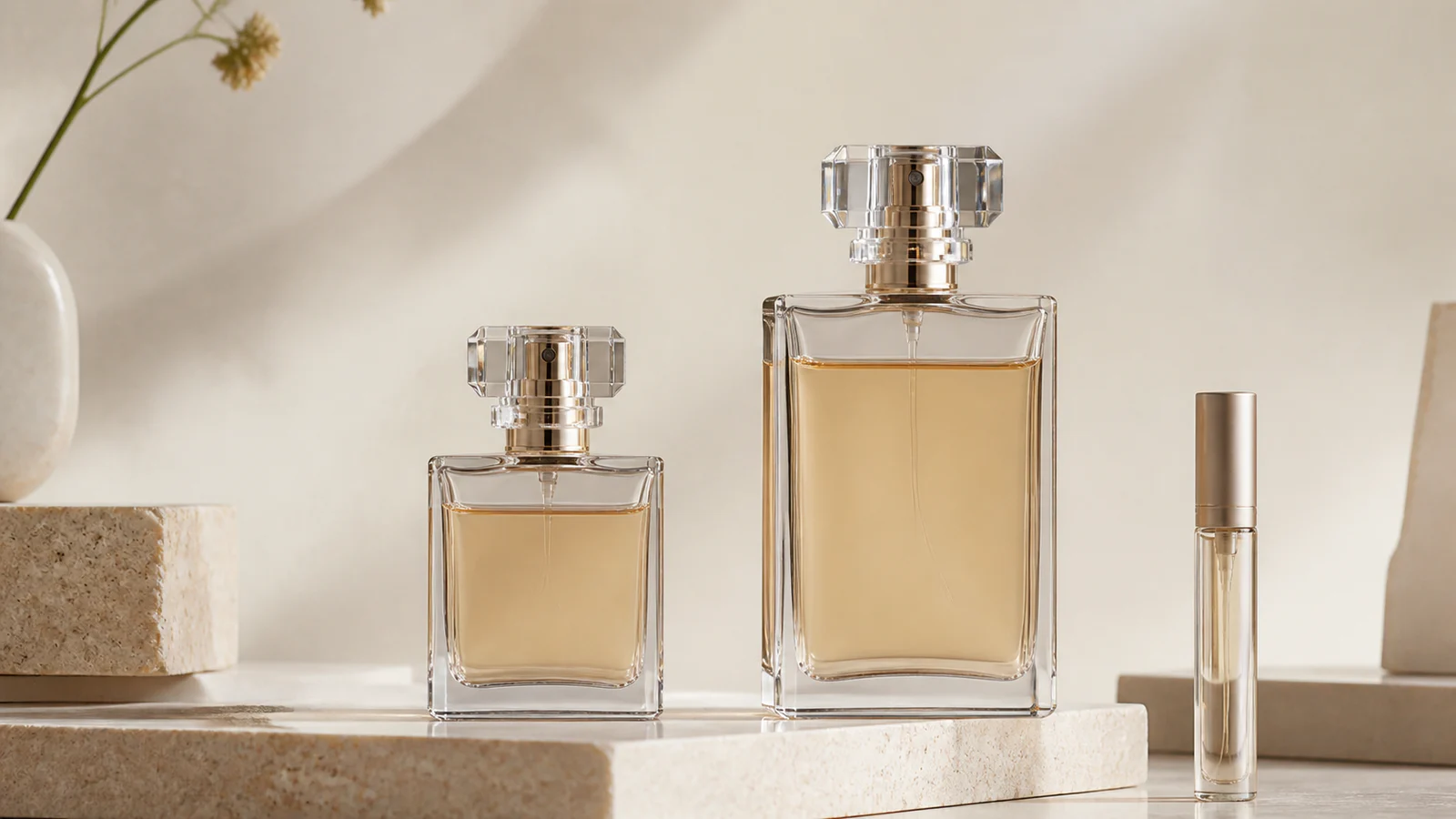
Perfume photographs can make every bottle look roughly the same size. The quantity printed on the listing and package tells the real story. Understanding ounces and milliliters helps you compare prices, estimate commitment and avoid receiving a bottle that feels unexpectedly small or large.
Know the common size conversions
Fragrance sizes are often listed in both U.S. fluid ounces and milliliters. The values are rounded for packaging, so use them as practical equivalents rather than laboratory conversions.
The exact options vary by fragrance. Always confirm the size attached to the selected variant instead of assuming the largest bottle shown in the gallery is the one in the bag.
- 0.33 fl oz is about 10 mL
- 1.0 fl oz is about 30 mL
- 1.7 fl oz is about 50 mL
- 2.5 fl oz is about 75 mL
- 3.3 or 3.4 fl oz is about 100 mL
Choose 1.7 oz when flexibility matters
A 1.7 oz bottle can be a sensible first full-size purchase. It provides enough product for repeated wear while taking less shelf space and requiring a smaller commitment than a 3.4 oz bottle.
It also fits a fragrance rotation. If you switch between fresh, floral, woody and warm scents, a medium bottle may be easier to use while the fragrance still feels current to you.
- Trying the fragrance for the first time
- Building a multi-scent rotation
- Limited storage space
- Buying a thoughtful but lower-commitment gift
Choose 3.4 oz for a proven favorite
A 3.4 oz bottle contains roughly twice the liquid of a 1.7 oz bottle. It can be practical for a fragrance worn several times a week, especially when the price increase is proportionally smaller than the increase in volume.
More liquid is not automatically better value. A bottle stored for years in heat or direct light is not a saving. Choose the larger size only when the fragrance fits your routine and you can store it properly.
Compare price per milliliter carefully
Divide the price by the listed milliliters to compare the unit cost. This can reveal whether the larger size offers a real volume discount, but it should not make the decision by itself.
Concentration, formula, packaging and availability can differ between options. Compare the same fragrance and concentration whenever possible, and make sure a discounted listing still identifies the exact size and condition.
Estimate use without promising an exact spray count
Atomizers release different amounts, so no bottle size guarantees one exact number of sprays. Application habits also vary. A person using two light sprays occasionally will keep a bottle much longer than someone applying several sprays every day.
Think in terms of frequency rather than a rigid spray calculator: occasional, weekly, several times a week or daily. The more uncertain your routine, the less reason there is to buy the largest size immediately.
Check size, packaging and storage at delivery
The quantity should appear on the product listing and retail packaging. FDA labeling requirements for cosmetics include an accurate net quantity statement on the principal display panel. Review the selected option before payment and keep the packaging until the item is checked.
Store the bottle upright in a cool, dry and dark location. A larger size only makes sense if the remaining fragrance can be protected from direct sun, hot cars and repeated temperature changes.